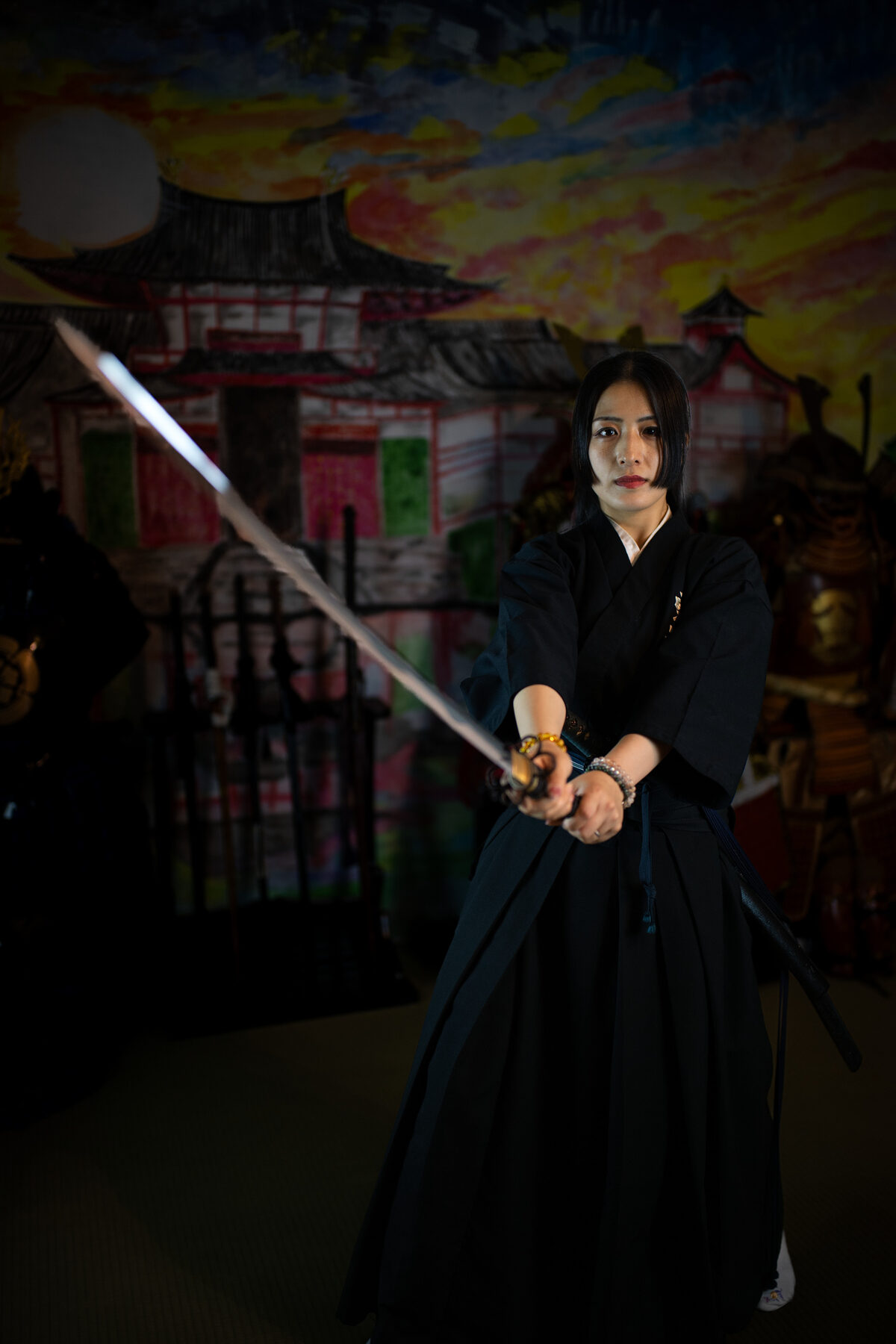
Shadow work — the practice of confronting the hidden, suppressed aspects of ourselves — is one of the most powerful tools available to leaders. Just as photographers use the interplay of light and shadow to create depth and meaning, executives who face their shadow selves discover a more complete, authentic form of leadership.
The parts of yourself you refuse to look at don't disappear. They run the show from behind the curtain. And the longer you ignore them, the more influence they have over your decisions, your relationships, and your ability to lead well.
I've been thinking about shadows for most of my adult life — first through photography, then through coaching. In photography, shadow is not the absence of light. It's the thing that gives light its meaning. Without shadow, there is no depth, no dimension, no story. A photograph lit entirely from the front, with every shadow eliminated, looks flat and lifeless. It's the shadows that create shape, reveal texture, and draw the eye toward what matters.
The same principle holds true for people. The parts of ourselves we push into the dark — the anger we won't acknowledge, the fear we pretend isn't there, the ambition we've been told is unseemly — those parts don't go away. They shape us from underneath, whether we're paying attention or not.
Carl Jung called this the shadow: the collection of traits, desires, and impulses we've disowned because they don't fit the image we want to project. For executives, the shadow tends to be particularly well-hidden and particularly costly to ignore.
What Is Shadow Work? A Leader's Introduction
Jung's concept of the shadow is deceptively simple. It's everything about yourself that you've decided is unacceptable — and then buried. Not destroyed. Buried. The distinction matters enormously.
When you were young, you learned which parts of yourself earned approval and which parts earned disapproval. Maybe you learned that anger was dangerous, so you buried it. Maybe you learned that vulnerability was weakness, so you locked it away. Maybe you learned that ambition without apology was selfish, so you dressed yours up in the language of service and teamwork.
None of those buried parts actually went anywhere. They just went underground, where they started operating without your conscious awareness. The executive who buried their anger doesn't stop being angry — they become passive-aggressive, or they develop a reputation for icy silence that rattles their team more than any raised voice would. The leader who buried their vulnerability doesn't become invulnerable — they become rigid, unable to connect, surrounded by people who admire them from a distance but never actually trust them.
Most leaders avoid shadow work for straightforward reasons. It's uncomfortable. It requires admitting that the carefully constructed version of yourself — the one that got you to the C-suite — is incomplete. And there's a real fear, usually unspoken, that looking at the hidden parts might unravel the whole structure. What if the person underneath the performance isn't someone you want to see?
I'll tell you what I've seen after fifteen years of coaching: the person underneath is always more interesting, more capable, and more trustworthy than the performance. Always. The performance is a survival strategy. The person is the leader.
Light and Shadow in Photography — and in Leadership
Photography taught me something about shadow before I ever encountered Jung or executive coaching. When I started shooting seriously, I was obsessed with getting the "right" exposure — which I understood, like most beginners, as getting everything bright and visible. No dark areas. No mysterious corners. Full, even illumination.
The results were technically correct and completely lifeless. Every image looked like a passport photo. There was nothing to discover, nothing to feel, no reason to look twice.
A mentor told me something that changed everything: "Stop fighting the shadows. They're not a problem to solve — they're the story you're trying to tell." He showed me how the old masters of photography used shadow intentionally. How a face half in darkness becomes more compelling than one fully lit. How the eye is drawn to the boundary where light meets shadow, because that's where meaning lives.
In photography, you don't eliminate shadow — you learn to work with it. You choose which shadows to deepen and which to soften. That specificity, that intentional relationship with darkness, is what separates a snapshot from a portrait. The same is true in leadership. — Dr. Dhru Beeharilal
That lesson translated directly into my coaching work. The leaders I admire most aren't the ones who have eliminated their weaknesses or dark spots. They're the ones who know where their shadows fall. They've looked at the parts of themselves that are complicated or contradictory, and instead of pretending those parts don't exist, they've developed a conscious relationship with them.
A photographer controls shadow through aperture, angle, and intention. A leader controls their shadow through awareness, honesty, and practice. In both cases, specificity matters. Vague awareness of "I have some issues" is useless. What you need is granular understanding: which shadows are yours, where they came from, and how they show up when you're under pressure.
Why Executives Need Shadow Work More Than Anyone
There's a particular trap that comes with senior leadership, and I see it constantly. The higher you rise, the more pressure there is to present a coherent, controlled image. The CEO can't walk into the boardroom looking uncertain. The SVP can't admit they're terrified of the restructuring they just announced. The partner can't acknowledge that they've been coasting on reputation for three years because they lost the fire somewhere along the way.
Except all of those things are true, regularly, for real people in real leadership positions. And the gap between what's true internally and what's performed externally is exactly where the shadow grows.
High-pressure roles amplify suppressed aspects of personality in predictable ways. The leader who buried their need for control becomes a micromanager when stakes are high. The executive who suppressed their competitive streak becomes quietly sabotaging of peers who threaten their position. The founder who denied their fear of failure becomes incapable of making decisions that carry real risk — which, at the senior level, is all of them.
There's also a structural problem. At the top, honest feedback becomes scarce. Your direct reports won't tell you that your "open door policy" is undermined by the fact that you visibly tense up when someone disagrees with you. Your board won't tell you that your confidence reads as arrogance to half the people in the room. Your spouse might try, but you've probably gotten good at deflecting that, too.
The most dangerous thing about the shadow isn't that it exists — it's that it's invisible to you while being perfectly visible to everyone around you. Your team sees it. Your family sees it. You're the last one to know.
Without deliberate shadow work, those unexamined patterns compound. Decisions get made from fear rather than clarity. Relationships suffer because the leader is reacting to old wounds rather than present reality. And the organization starts to take on the shape of the leader's unprocessed psychology — which is never a healthy shape.
How to Begin: Practical Steps for Leaders
Shadow work isn't therapy, though it can complement therapy well. It's a practice — a set of habits that help you stay honest with yourself about who you actually are, not just who you perform being. Here are the approaches I've seen work most effectively for senior leaders.
Start a brutally honest journal. Not a gratitude journal. Not a productivity journal. A journal where you write about what you're actually feeling — especially the feelings you'd never say out loud. The resentment toward a colleague. The fear that you're not as capable as everyone thinks. The anger at a decision you publicly supported but privately despised. Write it without editing, without judgment, without any plan to show it to anyone. The act of putting shadow material into words is itself a form of integration.
Find a coaching relationship that goes beyond strategy. Most executive coaching stays at the surface — goal setting, accountability, skills development. That's useful, but it's not shadow work. Shadow work requires a coach who will ask you the questions you don't want to answer. Who will notice the patterns you can't see. Who has the courage to say, "I think what's actually happening here is something you haven't looked at yet." This kind of coaching relationship is rare and invaluable.
Practice mindfulness with a specific focus on reactivity. Shadow material shows up most clearly when you're reactive — when someone says something and you feel a disproportionate surge of emotion. That surge is a signal. Something has been touched that lives below your conscious awareness. Mindfulness practice, even ten minutes a day, trains you to notice those surges before you act on them. Over time, you start to map your triggers, and each trigger is a doorway into shadow material that's ready to be examined.
Conduct an honest self-assessment with the help of people who will be truthful. Ask three people who know you well — and who you trust to be direct — a simple question: "What do I do that I don't seem to know I'm doing?" Be prepared to hear things that sting. That sting is the shadow being exposed to light. It's uncomfortable, and it's exactly what you need.
Revisit the stories you tell about yourself. We all have a personal narrative — the story of how we got here, what shaped us, what we overcame. Shadow work often begins when you start questioning that narrative. What did you leave out? What have you made yourself the hero of that you might actually have been the villain? What patterns keep repeating that your current story doesn't explain? The narrative itself is a shadow-casting structure. Examining it honestly is one of the fastest paths to deeper self-knowledge.
Shadow work is not about becoming perfect. It's not about fixing yourself. It's about becoming whole — about reclaiming the parts of yourself you sent into exile and discovering that they're not the monsters you feared. Most of the time, they're the source of your greatest strength, your deepest empathy, and your most authentic leadership.
The shadow brings us to the light, but only if we're willing to look at it directly. And for leaders carrying the weight of organizations, teams, and legacies, that willingness is not optional — it's the foundation everything else is built on.
Key Takeaways
- Your shadow — the collection of traits and impulses you've disowned — doesn't disappear when you suppress it. It operates below your awareness and shapes your leadership in ways you can't see but everyone around you can.
- Photography teaches that shadow creates depth. A fully lit image is flat; a photograph with intentional shadow has dimension. Leaders who acknowledge their shadow selves become more dimensional, more authentic, and more trusted.
- High-pressure executive roles amplify shadow patterns: the buried need for control becomes micromanagement, suppressed fear becomes decision paralysis, and denied competitiveness becomes quiet sabotage.
- Shadow work is a practice, not an event. Journaling, coaching, mindfulness, and honest self-assessment are concrete tools that help leaders build a conscious relationship with the parts of themselves they've been avoiding.
- The goal is not perfection but wholeness. Reclaiming your shadow is how you find your deepest strengths, your most genuine empathy, and the kind of authenticity that people actually trust.